


Effective Stakeholder Influence Mapping in Project Management
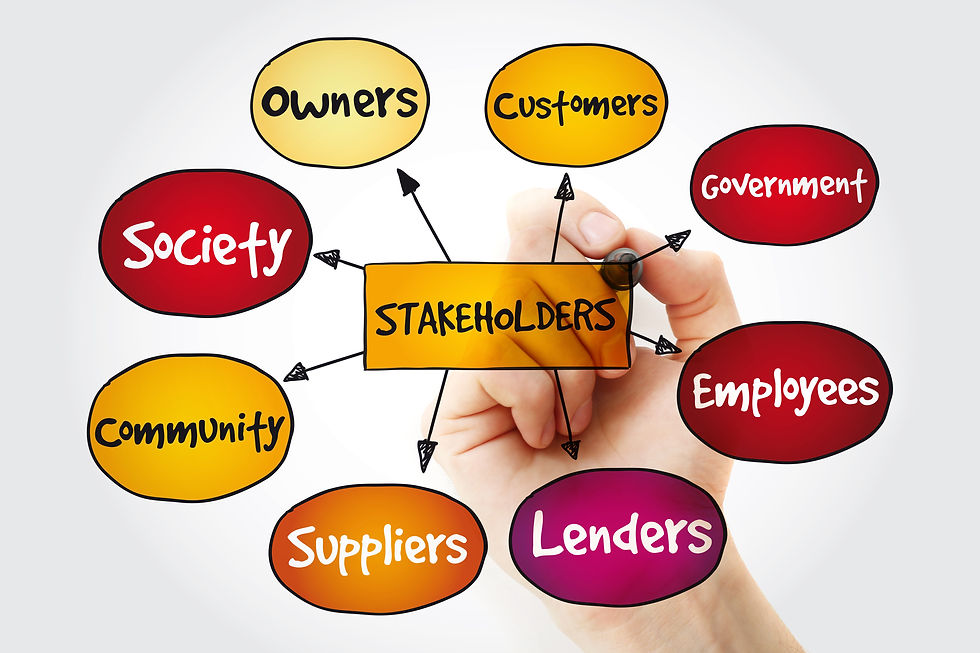
Stakeholder influence mapping is a powerful strategy in project management. It enables professionals to identify all stakeholders and understand their varying levels of influence and interest in a project. By mapping stakeholders accurately, project managers can align their decisions with stakeholder expectations, ultimately driving project success. This article provides ten essential steps for effective stakeholder influence mapping, empowering project managers to enhance their engagement practices.
Step 1: Identify Stakeholders
The first step in stakeholder influence mapping is identifying the stakeholders. Stakeholders are anyone with an interest in or affected by the project. This can range from internal team members and clients to external regulatory bodies and community groups.
Start by creating a detailed list of stakeholders. For example, if you are managing a community development project, your stakeholders might include local government officials, residents, environmental groups, and funding agencies. This comprehensive list forms the foundation for understanding their influence and participation in the project.
Step 2: Analyze Stakeholder Interests
Once stakeholders are identified, the next step is to analyze their interests. What are their goals, expectations, and concerns related to the project? Understanding what motivates each stakeholder will allow project managers to tailor their communication and engagement strategies effectively.
For instance, in a product launch project, marketing departments might prioritize brand visibility, while finance departments may focus on budget constraints. Documenting these interests provides a framework for assessing the potential influence of each stakeholder on the project.
Step 3: Assess Influence Levels
With interests outlined, it’s time to assess the level of influence each stakeholder possesses. Their influence may depend on their role, expertise, or authority. A project manager might find that an internal team member from a highly technical background has significant influence on project outcomes due to their specialized knowledge.
Creating a power-interest grid can help visualize this evaluation. In a recent project, a stakeholder who had a 70% interest in the project outcome also wielded considerable decision-making power, illustrating how influence can vary greatly among stakeholders.
Step 4: Map Relationships
Understanding the relationships between stakeholders is crucial for effective influence mapping. Project managers should map how stakeholders interact with one another and how these relationships can impact the project.
For example, consider a software development project where the client interacts closely with both the development team and the user experience designers. Identifying such interactions can help managers leverage positive alliances and mitigate conflicts that arise between different stakeholder groups.
Step 5: Plan Communication Strategies
Effective communication is vital to managing stakeholder influence. Based on the analysis of interests and influence levels, develop tailored communication strategies for each stakeholder.
This planning should consider the preferred communication channels and frequency. For instance, key stakeholders may require weekly updates via email, while others may prefer monthly meetings. Ensuring transparency at all levels keeps stakeholders informed and engaged throughout the project's lifecycle.
Step 6: Engage Stakeholders
Engaging stakeholders is critical to achieving successful project outcomes. Actively involving them in decision-making can enhance their commitment and reduce resistance.
Consider organizing workshops or focus groups where stakeholders can voice their opinions. For example, during a project to revamp a city park, hosting a public forum allowed community members to contribute ideas, improving buy-in from local residents and ensuring their needs were addressed.
Step 7: Monitor Stakeholder Dynamics
Stakeholder influence is dynamic and can change over time due to project developments or external factors. Project managers should continuously monitor these shifts to adjust strategies as necessary.
Regular check-ins, surveys, or feedback loops can help ascertain any shifts in sentiment. For instance, if a key stakeholder expresses new concerns about project timelines, addressing these concerns proactively can prevent larger issues later.
Step 8: Document and Update the Stakeholder Map
Maintaining an updated stakeholder map is essential for tracking changes in influence and interests. Document all relevant updates, including alterations in stakeholder roles or levels of influence.
A living document that reflects current stakeholder dynamics helps maintain clarity and alignment throughout the project. This ensures project managers are equipped to respond effectively to changes in stakeholder engagement.
Step 9: Evaluate Project Outcomes with Stakeholder Input
After project completion, it is valuable to evaluate outcomes with regard to stakeholder satisfaction. Seek input from stakeholders on what aspects of the project worked well and what did not.
For instance, using surveys or follow-up meetings to gather feedback can provide critical insights. This evaluation not only fosters continuous improvement but also strengthens relationships for future projects.
Step 10: Refine the Process for Future Projects
Finally, refining the process based on lessons learned from the current project is essential. Stakeholder feedback can illuminate areas needing enhancement.
By analyzing this feedback, project managers can improve their stakeholder influence mapping process for future initiatives. This iterative approach leads to more successful outcomes and builds confidence in managing stakeholder relationships over time.
Wrapping Up
Stakeholder influence mapping is a vital tool for project managers aiming to effectively manage stakeholder expectations and contributions. By following these ten essential steps, project managers can create a solid foundation for stakeholder engagement, facilitate smoother project execution, and enhance overall satisfaction.
Navigating the complexities of stakeholder dynamics requires an ongoing, proactive approach. By mastering influence mapping, project professionals can tackle project challenges with greater confidence.


